
Travel Diaries – Les Carnets de Route
Planning a trip to the Basque Country and not sure how to organize your week? As a local guide based in Biarritz, I have helped hundreds of travelers - many of them American - structure the perfect 7-day journey across both the French and Spanish Basque Country. This itinerary covers the highlights while leaving room for the hidden gems that most tourists never find.
This 7-day Basque Country itinerary covers both the French and Spanish sides of the region, starting and ending in Biarritz. It includes one day in Bilbao, two days in San Sebastián, two days exploring the French Basque coast and inland villages, and a day in Bayonne and Saint-Jean-de-Luz. The itinerary is designed by Etienne Lecuivre, a local Biarritz-based guide, and can be followed independently or with a private guide for deeper access to hidden restaurants, village farms and off-the-beaten-path experiences. Private transfers between all cities are available.
Why 7 Days Is the Perfect Length
The Basque Country sits at the crossroads of France and Spain. In one week, you can experience the elegant beach town of Biarritz, the world-famous gastronomy of San Sebastián, the striking architecture of Bilbao, and the quiet beauty of villages like Espelette, Ainhoa and Sare, all within comfortable driving distance. Seven days gives you enough time to slow down, eat well, and actually feel the Basque culture rather than just tick boxes.
Day 1 - Arrive in Biarritz and Explore the French Basque Coast
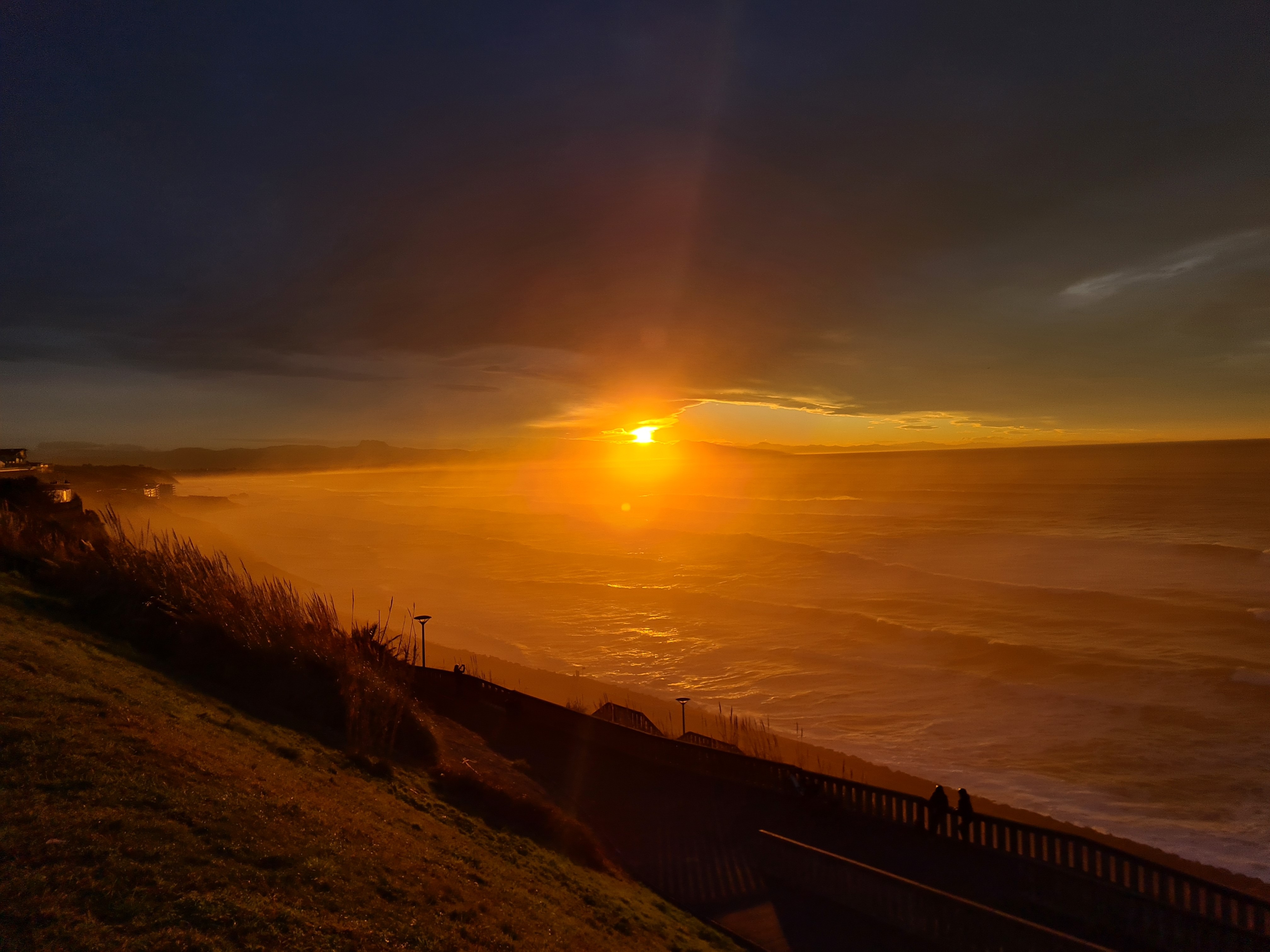
Start your journey in Biarritz. Walk the Grande Plage and the iconic Rocher de la Vierge. Explore Les Halles market for local cheeses and jambon de Bayonne. Have your first glass of txakoli at a seafront bar. Watch the sunset from the Côte des Basques beach, one of the most beautiful in Europe. Local tip: Skip the tourist traps on the beachfront and ask your hotel for a local restaurant recommendation near the market.
Day 2 - Bayonne and Saint-Jean-de-Luz
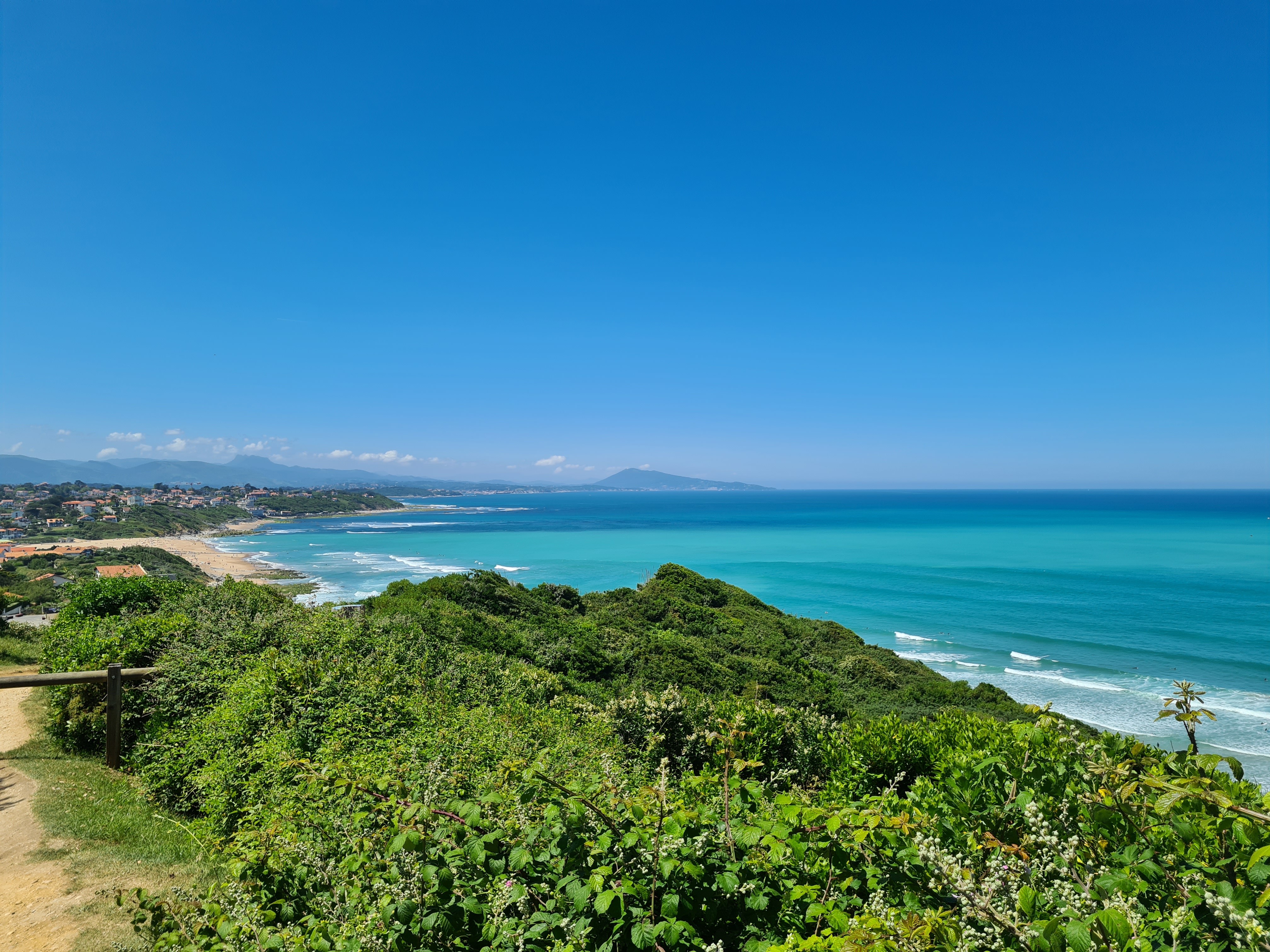
Morning in Bayonne, the cultural capital of the French Basque Country and home to the finest chocolate tradition in France. Visit the old town, cross the Nive river, and stop at one of the historic chocolatiers. Afternoon in Saint-Jean-de-Luz, one of the most charming fishing towns in France. Walk along the harbor, visit the Saint-Jean-Baptiste church where Louis XIV married Marie-Thérèse of Spain. Local tip: The fish market in Saint-Jean-de-Luz opens early in the morning. If you can make it, it's worth the effort.
Day 3 - Hidden Basque Villages: Espelette, Ainhoa and Sare
This is the day most travelers remember most. The inland Basque villages are unlike anything else in France. White-washed houses with red shutters, pelota courts, and an atmosphere that has barely changed in centuries. Espelette is famous worldwide for its dried red peppers. Ainhoa is considered one of the most beautiful villages in France. Sare sits at the foot of the mountains with extraordinary views toward the Pyrenees on clear days. Local tip: These villages are best explored with someone who knows the back roads. We usually stop at a working farm for a tasting of homemade sheep's cheese and local cider. You won't find that on TripAdvisor.
Day 4 - Cross the Border into San Sebastián
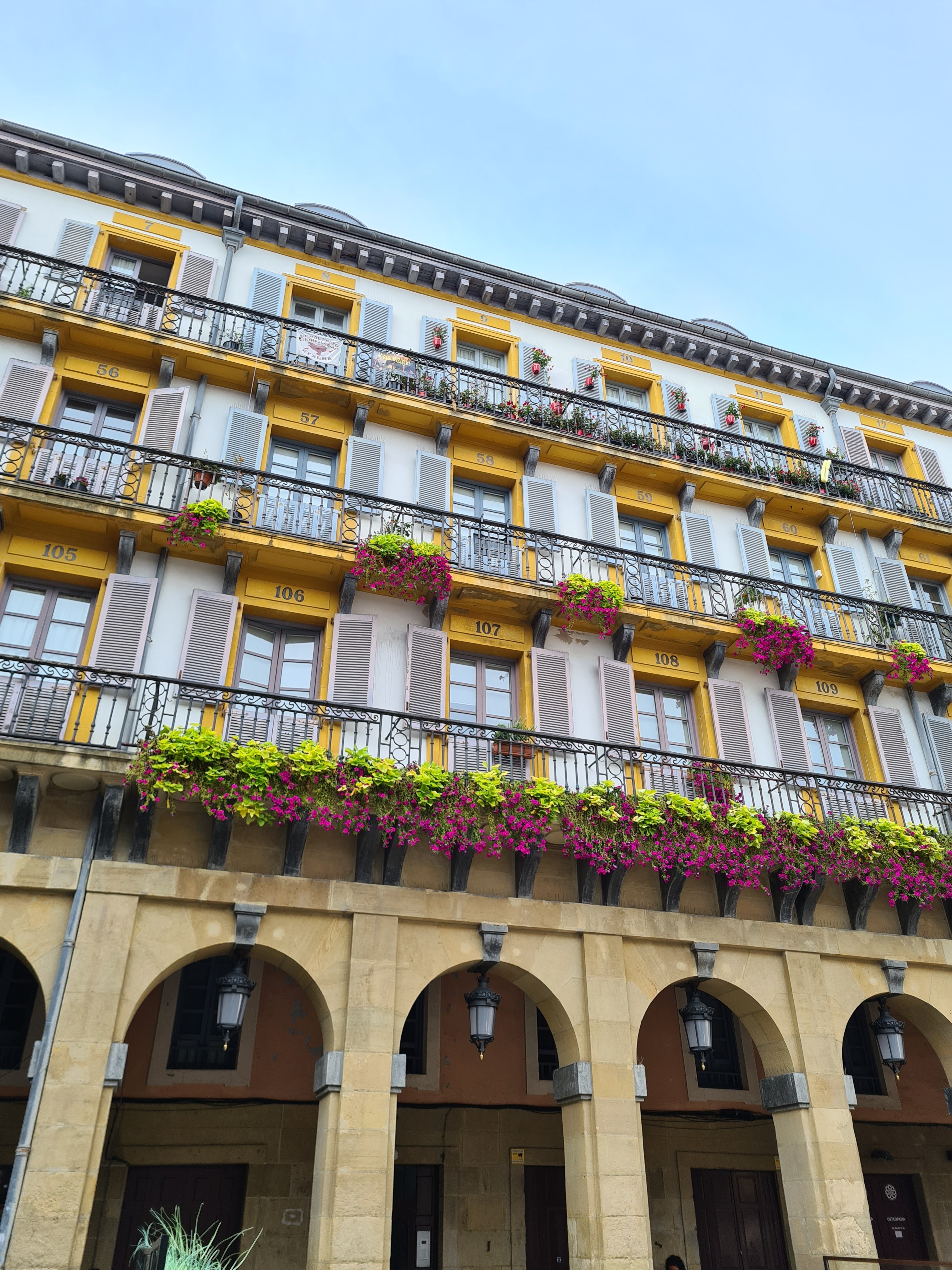
Today you cross into Spain, a 45-minute drive from Biarritz, and arrive in one of the greatest food cities on earth. San Sebastián has more Michelin stars per capita than almost anywhere in the world, but its real soul lives in the old town pintxos bars. Morning: walk up to Monte Urgull for a panoramic view of the bay. La Concha beach below is one of the most beautiful urban beaches in Europe. Afternoon: pintxos tour of the Old Town. The best streets are Calle Fermín Calbetón and Calle San Jerónimo. Go hungry. Local tip: Pintxos bars refresh their counters around 8pm. That's when the best bites appear. Plan accordingly.
Day 5 - San Sebastián, Going Deeper
Option A: La Bretxa Market in the morning, followed by a private cooking class using ingredients you picked up yourself. Option B: Day trip to Hondarribia, a fortified medieval town right on the French border. Completely underrated and usually empty of tourists. Option C: Private visit to a txakoli winery above Getaria, with tastings and views over the Cantabrian Sea that are hard to forget.
Day 6 - Bilbao and the Guggenheim
About an hour's drive from San Sebastián along the coast. The Guggenheim Museum - Frank Gehry's titanium building on the banks of the Nervión river - is worth the trip on its own. Allow at least two hours inside. Afternoon in the Casco Viejo: the seven streets of Bilbao's old quarter are packed with pintxos bars and real local life. The covered Ribera market is a must. Local tip: A lot of our guests combine Bilbao with a private transfer, picking up in San Sebastián, stopping at the Guggenheim, then continuing to Biarritz with a few scenic stops along the coast.
Day 7 - Last Morning in Biarritz
Back in Biarritz for a final coffee at a seafront café. If it's a Saturday, the morning market is one of the best in the whole southwest of France. Private transfers run to all three regional airports: Biarritz BIQ (20 min), San Sebastián EAS (45 min) and Bilbao BIO (1h30).
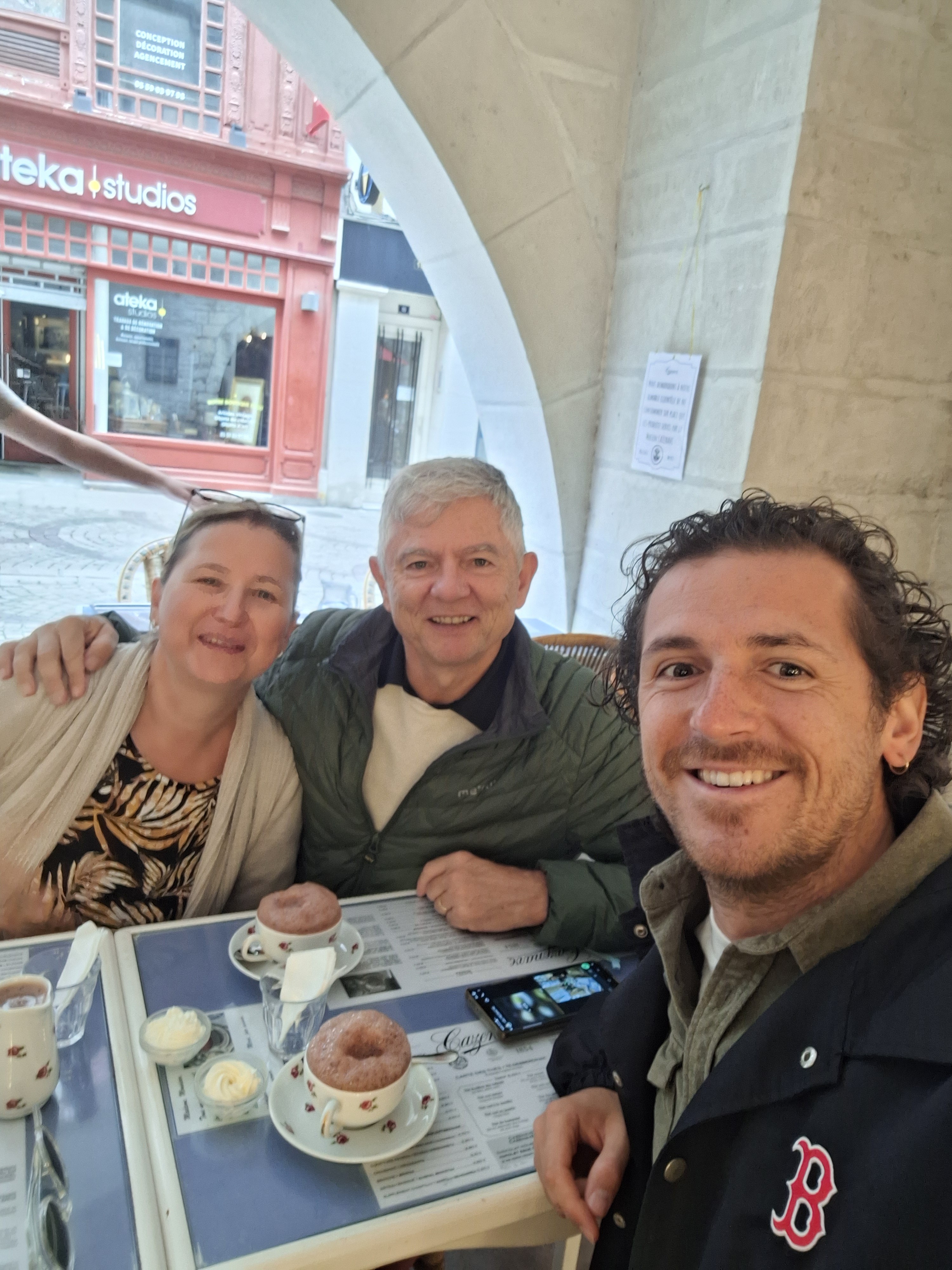
This itinerary works well on your own. But it becomes something else entirely when you have a local with you. I started The Basque Way because I wanted to share the version of the Basque Country I actually know - the family vineyards, the village artisans, the restaurants with no sign outside, the viewpoints that don't appear in any guidebook. Get in touch and we'll build your trip together.
